Feast of the day
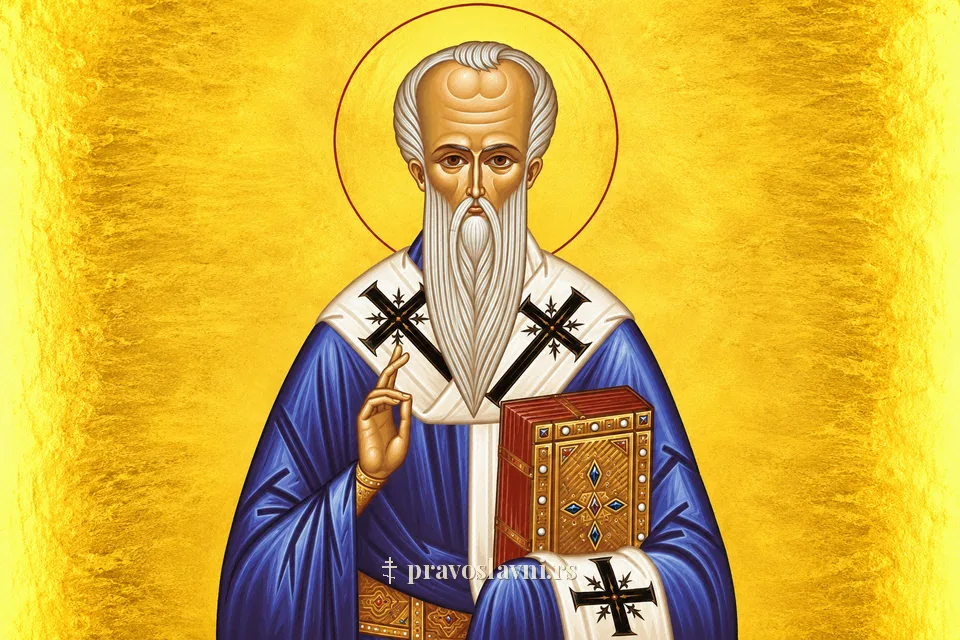
Translation of the Relics of Hieromartyr Ignatius the God-bearer
What happenedThe faithful of Antioch lovingly brought back to their city the bones of their bishop Ignatius, who had suffered in Rome.
Read the LifeOrthodox Calendar · 29 January according to the Julian calendar
Wednesday, 11 February 202629 January (according to the Julian calendar)What happenedThe faithful of Antioch lovingly brought back to their city the bones of their bishop Ignatius, who had suffered in Rome.
Read the Life
No meat, dairy products, eggs, fish or oil — food cooked in water.
This is a recommendation — for your own fast, consult your priest or spiritual father.More about the fast →

“For I am hard-pressed between the two, having a desire to depart and be with Christ, which is far better.”
— Phil 1:23Today the Church remembers how the relics of Hieromartyr Ignatius the God-bearer arrived in Antioch, while another day is dedicated to his martyrdom. We owe this translation to the love of one flock.
Ignatius was Bishop of Antioch when Emperor Trajan called him to answer for his faith. Several Antiochians, out of great devotion, set off with him to Rome. Neither fine words nor promised rewards separated him from Christ; he ended his life in the Circus Maximus, among the wild beasts, giving up his soul to God.
Thanks to his companions, Antioch received back the bones of its bishop and buried them with honours. They returned to Rome in the sixth century, when Antioch fell into Persian hands; according to the Life, they rest today in the Church of St Clement.
St Ignatius teaches steadfastness in the faith, and his flock teaches faithfulness to the end.
This day belongs to his companions as well. A few Christians from Antioch, bound to their bishop Ignatius the God-bearer by great love, shared with him the whole journey to Rome. It is to them that we owe the fact that Antioch was not left without its shepherd: what remained of him in Rome — his bones — they brought back to his city and buried there with honour.
Today, then, it is not his suffering that is celebrated, but the journey of his relics from Rome to Antioch. His suffering the Church celebrates on another day.
Emperor Trajan demanded that the Bishop of Antioch should answer to him in person for his faith, and that is why Ignatius found himself in Rome. Neither fair words nor the rewards that were offered could bring him to deny Christ. He paid for it with his life: the wild beasts in the Circus Maximus of Rome were his place of execution, and there he gave up his soul to God.
Antioch, however, did not keep them. The sixth century brought the city under Persian rule, and the relics were then carried back to Rome. His Life names the Roman church of St Clement as their present resting place.
St Ignatius bears witness to steadfastness in the faith, and his companions — to the faithfulness of a flock that accompanied its shepherd to the very end and brought him home.


